The Old Believers
The largest, most accurate source for Old Believer history, worship, and theology resources
Receive Updates and Leave Comments and Questions on Posts
Read Our Latest Posts
-
Stoicism and Ancient Orthodoxy
“Man’s movement toward God begins with asceticism, with the birth of the virtues, and is completed by the attainment of apatheia — freedom from the influence of the lower world.” So wrote Georgi Kapriev in his book Byzantine Philosophy: Four Centers of Synthesis, describing the views of the Cappadocian Fathers — Basil the Great, Gregory […]
-
Did Christ promise to be with us unconditionally? From the Priestless book the Spiritual Sword (1771)
Concerning the fact that although Christ promised to remain in a certain manner until the end of the age, nevertheless He did not remain because of transgressions. There are some who wish to establish that the priesthood remains forever, even apart from the episcopacy, who say: ‘How then is it possible to exist without priests […]
-
Bishop Arseny of the Urals (Belokrinitskaya Hierarchy) on the Recognition of Latin Ordinations
Arseny Ural’sky, who was canonized by the Russian Orthodox Old-Rite Church, wrote in chapter 7 of his book A History of the Existence of the Priesthood in the Old Believer Orthodox Church of Christ (2nd half of the 1860s) that in 858 the Latin heresy arose, and in 1054 the Romans were finally rejected and […]
-
What Is the Church? The Ecclesiology of the Belokrinitskaya Hierarchy
Today, many people understand the Church mostly or primarily as a formal institution. Although a formal organization can indeed be called the Church, the definition of the Church cannot be reduced to this alone, as we can clearly see from the works of Belokrinitsky theologians. They describe the different aspects of the Church profoundly, and […]
-
Beyond Formalism: Cultivating Christian Character
In modern Orthodoxy, the topic of virtues has unfortunately been almost forgotten. This applies not only to official Orthodoxy but largely to the Old Believer environment as well. Today, when we hear the word “virtue,” we often perceive it as something abstract: just beautiful words, a call to “be a good person,” or to do […]
-
The Tradition of the Two Belts
Old Believer Christians have preserved a unique and ancient tradition of wearing two types of belts. The first is the body belt (inner belt)—a simple ribbon or cord of any fabric worn directly against the skin. It is never taken off, though it may be replaced if lost or damaged. The second is the outer […]
The Old Believer Store – Newest Arrivals
Products by Category
Products by Category




Old Believer Articles
Patristic Works
Our Mission
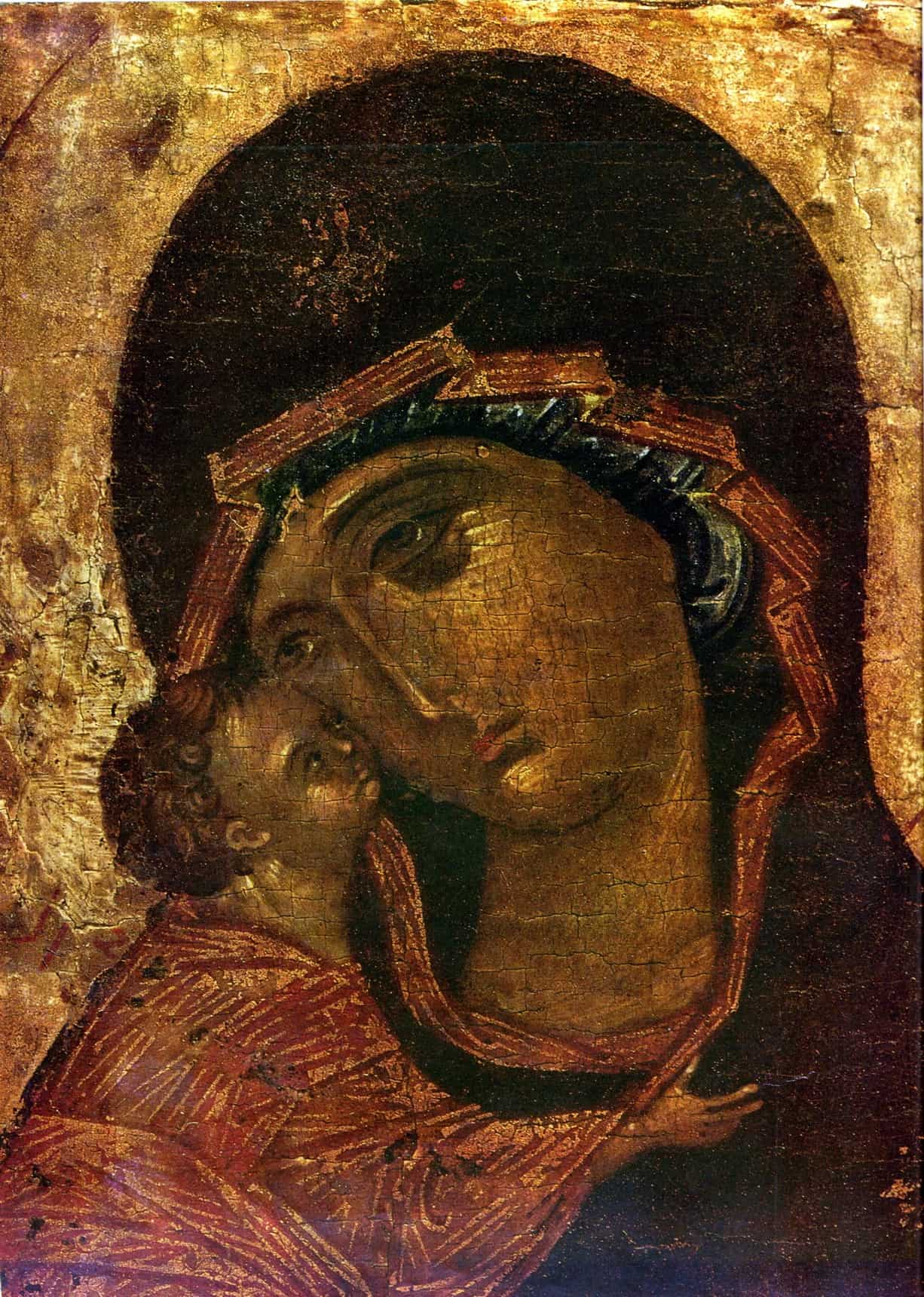
Bridging five centuries of tradition with today’s reader, The Old Believers offers carefully-crafted English translations of Old-Rite sermons, articles, and liturgical materials—texts seldom found outside Russian or Church Slavonic, so that scholars, clergy, and the simply curious may hear the original voice of the Old Believer Church without linguistic barriers. We publish freely, without ads, trusting that beauty and accuracy speak for themselves. Explore the Library, browse our self-published books, and join us as we safeguard a heritage too precious to fade.
Who are the Old Believers
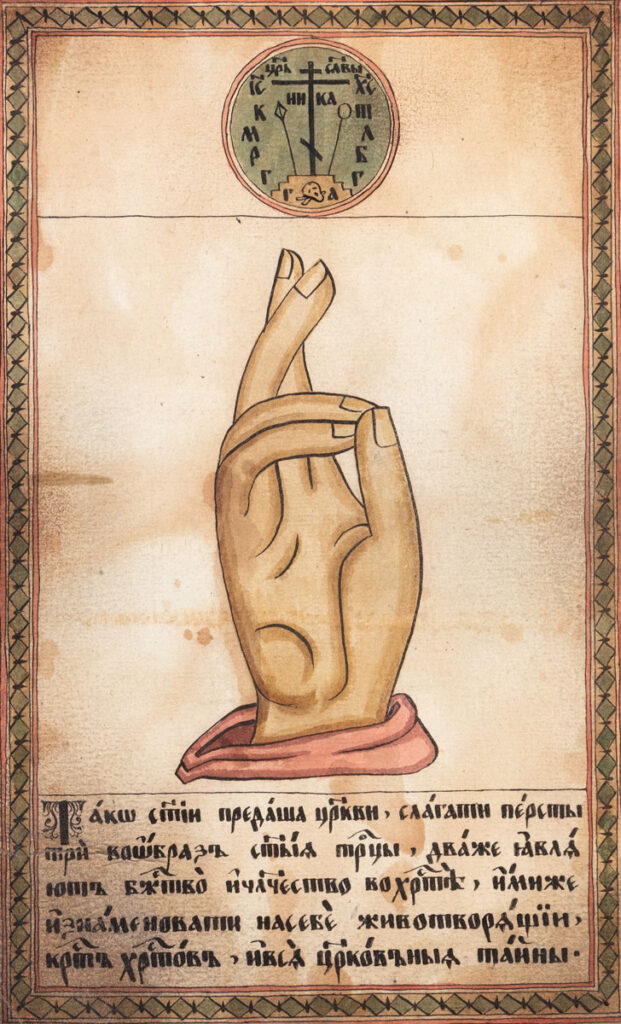
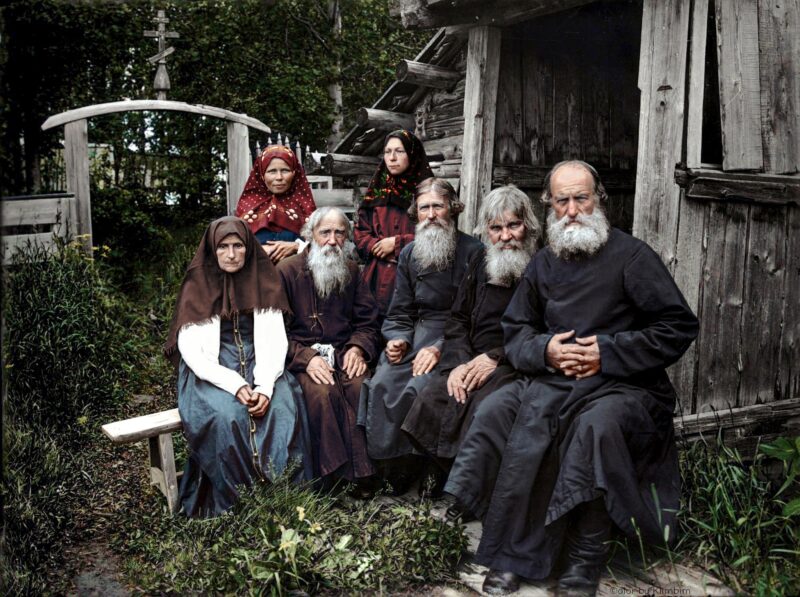
Old Believers are Orthodox Christians who did not accept the reforms of the Russian Church implemented in the mid-17th century by Patriarch Nikon and Tsar Alexei Mikhailovich Romanov. Although the term “Old Ritualist” (старообрядцы) is part of the official name of the Russian Orthodox Old Believer Church, it was adopted out of historical necessity and does not fully convey the richness of Orthodox doctrine upheld by the Old Believers.
The term “rite” (обряд) appeared only after the church schism, during the early 18th century under Peter the Great. Christians who did not accept the reform were labeled schismatics by the dominant Church, shifting the blame for the tragic events onto those who sought to preserve the ancient traditions. It wasn’t until the reign of Empress Catherine the Great that a less offensive term—“Old Believers”—was allowed. The guardians of pre-reform church traditions referred to themselves as Ancient Orthodox Christians but accepted the term “Old Believers” to emphasize their external differences from the dominant Church. If the adherents of the ancient faith are called Old Believers, it follows that supporters of the reform could be referred to as New Ritualists.
Today, New Ritualists often claim there is essentially no difference between the old and new rites and that the perceived ignorance of the Old Believers is the only obstacle to the reunification of these two streams of Russian Orthodoxy. However, during the mid-17th century reforms, the exact opposite was asserted: the old rites were declared un-Orthodox and accused of distorting Orthodox doctrine. Those who resisted were forced to accept the changes under threat of excommunication and civil punishment.
By the second half of the 19th century, the work of church historians confirmed that the old rites and practices had been used in the Orthodox Church since ancient times and served as external expressions of Orthodox dogma. In contrast, the new rites and practices introduced by the reform were borrowed from religious movements that had distorted Orthodoxy and failed to fully reflect the depth of Orthodox teaching. For this reason, Orthodox tradition strictly forbids altering certain external practices to avoid harming their internal significance, such as the sign of the cross, the Creed, or the use of leavened bread in the Eucharist.
— Priest Evgeny Gureev